Why Display Design Engineering Matters in Beauty Retail Projects
A beautiful retail fixture must also work in real commercial environments. Dimensions, structural stability, product weight, assembly requirements, and customer accessibility all influence whether a display performs as expected. Ignoring these technical details can create problems after manufacturing or installation. A professional display engineering process helps businesses evaluate practical requirements before committing to production.
The first step is understanding the actual products that will be placed inside the fixture. Different cosmetic packages require different spaces, supports, and arrangements. A carefully planned custom display design considers product dimensions and merchandising capacity instead of relying only on visual appearance.
A fixture's structure must also accommodate its intended location. Countertop displays, wall-mounted units, and floor fixtures may require different construction approaches. Professional retail display design helps ensure that the proposed structure suits its retail environment and intended use.
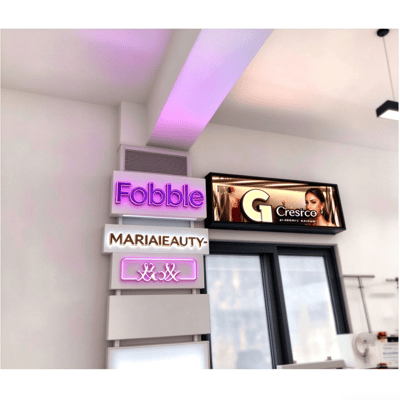
Visual planning becomes easier when brands can review a realistic representation before production. A three-dimensional preview allows buyers to evaluate proportions, product placement, and branding details. A useful 3D display render can help project teams identify design adjustments before physical samples are created.
For projects involving large or complex fixtures, technical coordination becomes particularly important. Designers need to consider connections between different components, material thicknesses, and assembly methods. A reliable custom fixture design process helps translate creative concepts into production-ready structures.
Brands should also consider whether the manufacturer can manage the project beyond the design stage. Coordinating design revisions, material selection, sampling, and production can become complicated when different suppliers are involved. An experienced custom display manufacturing partner can provide a more connected development process.
For larger retail projects, individual fixtures may need to work together as part of a complete merchandising environment. Their heights, finishes, and visual proportions should create a consistent result. A coordinated full store display approach helps businesses consider the relationship between different retail sections.
Before final approval, buyers should review whether the proposed solution meets their original requirements. A clear display design service process gives businesses an opportunity to evaluate technical and visual details together. Good engineering does not limit creativity; it makes creative retail concepts more practical and reliable.


Comments
Post a Comment